
Peptide Perspectives | Peptide Stacking & Synergy Series | Article 05
How do neuroplasticity, neurotransmitter signaling, brain energy, and neuroprotection intersect, and can combining interventions offer more than the sum of their parts?
1. The Big Picture: Brain Health Requires More Than One Pathway
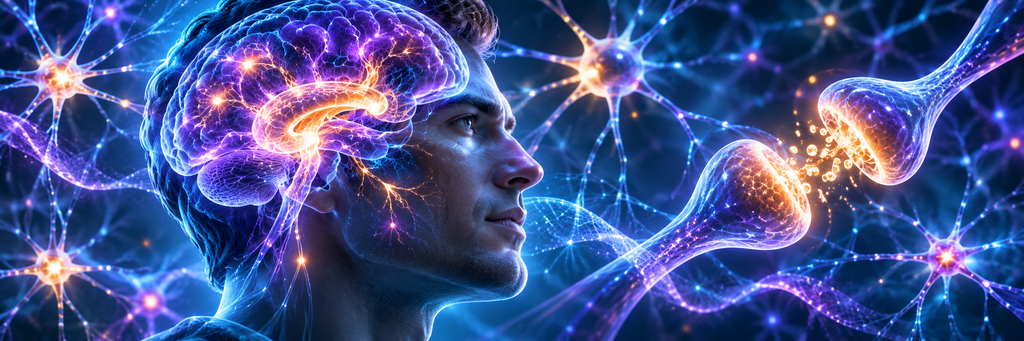
Memory, sustained attention, emotional regulation, and learning depend on overlapping systems. Neurons must communicate through precisely timed electrical and chemical signals. Synapses must strengthen or weaken as we learn, cells must generate enough ATP to support that communication, and the brain must balance growth-related signals against inflammation and cellular stress.
That complexity explains the fascination with cognitive stacks. Rather than looking for one universal “smart peptide,” researchers and online communities discuss combinations aimed at different pieces of the cognitive puzzle: Semax for proposed neurotrophic and attention-related signaling, Selank for stress-related pathways, Dihexa and P21 for experimental synaptic biology, and Cerebrolysin for neurological recovery research.
The appeal is real. Anxiety can undermine concentration even when memory circuits are intact. Neuroplasticity depends on both the capacity to form connections and healthy conditions for using them. Yet a plausible combination is not proof of synergy. A stack can also multiply product uncertainty, unwanted neurological effects, and the difficulty of identifying which ingredient caused a reaction.
Important evidence distinction: no combination discussed here has demonstrated reliable cognitive-enhancement efficacy and safety in controlled human trials as a stack. Some components have limited human studies for specific medical conditions; others have no human efficacy data at all. None is FDA-approved specifically for cognitive enhancement in healthy adults.
2. The Biological Pathways: Four Pillars of Cognition
Neuroplasticity: How the Brain Learns
Neuroplasticity refers to the brain’s capacity to adjust connections and activity in response to experience. Important concepts include long-term potentiation (LTP), dendritic spine remodeling, and neurotrophic signaling through proteins such as BDNF. Increasing a molecular marker associated with neuroplasticity is not equivalent to demonstrating improved memory, and more synapse formation is not automatically safer or better.
Neurotransmitters: Focus and Emotional Balance
Acetylcholine contributes to attention and memory encoding. Dopamine and norepinephrine participate in motivation, salience, and vigilance. GABA and glutamate help regulate the balance between inhibition and excitation. A treatment that changes one system can influence the others, which helps explain why combining purported “focus” and “calming” compounds is biologically intriguing but difficult to predict.
Energy Metabolism: Keeping Neurons Functioning
The brain requires continuous energy for ion gradients, neurotransmitter recycling, and cellular maintenance. Mitochondrial ATP generation, phosphocreatine buffering, oxygen delivery, and metabolic health all influence performance. Creatine is interesting here for energetic reasons, not because it directly recreates peptide signaling.
Neuroprotection: Responding to Stress and Injury
Inflammation, oxidative stress, vascular dysfunction, and excessive excitation can interfere with brain function. Researchers study approaches that might help neurons tolerate these challenges. However, protecting injured cells in an animal model is not evidence that a treatment prevents dementia, improves daily attention, or reverses neurological disease in humans.
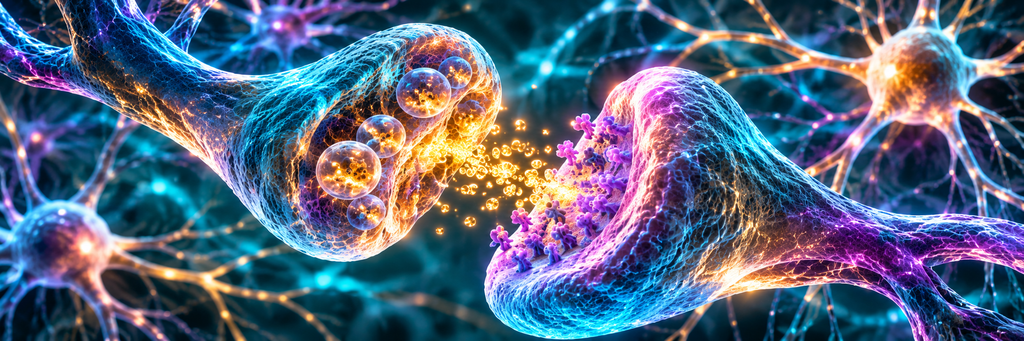
3. The Peptide Stacks Researchers and Communities Discuss
Stack 1: Semax + Selank | Cognitive Signaling Meets Stress Regulation
Why it attracts interest: Semax, an ACTH-fragment-derived peptide, has been studied for neurotrophic markers, neurological recovery, and proposed attention-related effects. Selank, a tuftsin-related peptide, is researched for anxiety-related signaling and possible interactions with inhibitory neurotransmitter systems. The proposed synergy is that reducing distress could make it easier to use cognitive capacity, while a separate compound targets attention-related or neuroprotective mechanisms.
What the evidence supports: Limited human studies of the individual compounds exist, including Russian clinical literature and a small neuroimaging experiment that assessed Semax and Selank in separate arms. Those results do not establish improvement in healthy people’s memory or focus from the combination. No controlled human trial establishes the combined formulation’s efficacy, optimal formulation, or safety.
Potential fit for supplements: Creatine might address energetic capacity, while dietary omega-3s support overall nutrition. Neither has been shown to potentiate Semax–Selank pharmacology. Citicoline adds another putative cognition pathway but also introduces another variable.
Risk of overlap: Both peptides may influence central nervous system signaling. Headache, changes in sleep or alertness, agitation, sedation, and uncertain effects of intranasal preparations are practical concerns. Modified analogues such as N-acetyl variants are not automatically interchangeable with the studied molecules.
Research verdict: The least biologically speculative pairing of the three requested, but still an unvalidated stack, not an established nootropic protocol.
Stack 2: Dihexa + P21 (P021) | A High-Uncertainty Neuroplasticity Hypothesis
Why it attracts interest: Dihexa is an angiotensin-IV-derived peptidomimetic historically proposed to affect HGF/c-Met-associated synaptic signaling. P21, often described as P021 in scientific literature, is a synthetic CNTF-derived research compound studied for neurotrophic and cognitive outcomes in rodents. The idea is to influence two different proposed pathways related to synaptic resilience.
The major evidence problem: Dihexa has no established human clinical efficacy or safety data. Worse, the 2014 research paper widely cited as direct support for its HGF/c-Met mechanism was retracted in April 2025. A foundational 2013 animal paper remains subject to an expression of concern. Its proposed mechanism should therefore be described as contested, not established. P21 has no established human efficacy, dosing, or long-term safety evidence either.
Why the combination is especially concerning: Growth-factor-related signaling is involved in processes beyond healthy neuroplasticity. HGF/c-Met pathways are relevant to cancer biology; whether Dihexa has tumor-related risk in people is unknown, not proven safe. The combination could create unpredictable effects on cell signaling without any controlled human data demonstrating additional cognition benefit.
Research verdict: Valuable as an example of questions that need basic science and formal toxicology, not a reasonable self-directed stack. Neither “more BDNF” nor “more synapses” alone is a validated clinical goal.
Stack 3: Semax + Cerebrolysin | Two Different Neurotrophic Research Traditions
Why it attracts interest: Semax has been investigated for neuroprotective and neurological signaling effects. Cerebrolysin is a pharmaceutical mixture of peptides and amino acids derived from porcine brain material, investigated in various countries for stroke and neurological disorders. Unlike a single, chemically defined peptide, it is a complex preparation.
What the evidence supports: Cerebrolysin has human randomized trials in clinical neurological populations, but the results are mixed and indication-dependent. A Cochrane review of acute ischemic stroke found little or no effect on all-cause death and identified an increase in nonfatal serious adverse events in the analyzed trials. Those findings do not support using it as a general healthy-person cognitive enhancer. Semax has its own limited and geographically concentrated evidence base. No controlled study has shown that combining them improves outcomes over either alone.
Why it needs special caution: This combination overlaps in proposed neurological recovery and neurotrophic pathways. Cerebrolysin’s origin, administration requirements, allergy considerations, and clinical-setting risks differ significantly from a simple supplement. Stroke, cognitive decline, and neurological injury deserve established clinical evaluation, not experimental self-treatment.
Research verdict: Interesting for comparing research approaches, but there is no demonstrated additive benefit.
Stack 4: Semax + Citicoline | An Exploratory Peptide-and-Nutrient Pairing
This community-proposed option combines Semax’s proposed neuromodulatory effects with citicoline, which supplies choline and cytidine-related metabolites used in phospholipid metabolism. It is an appealing mechanistic comparison because neurotransmitter and membrane biology differ from the peptide’s proposed pathways.
But citicoline trials in different groups have yielded inconsistent cognitive outcomes, including a 2026 systematic review finding insufficient support for citicoline/phosphatidylserine as effective cognitive enhancers in mental disorders. No direct Semax–citicoline combination trial establishes enhanced focus or memory. Additional headaches, sleep disruption, or other unwanted effects may be difficult to attribute when agents are introduced together.
Research verdict: More accessible component-level human research than Dihexa + P21, but no proven stack effect.
Stack 5: Selank + DSIP | Stress, Sleep, and Next-Day Cognition
Another commonly discussed concept is to target stress-related processes with Selank and sleep-associated signaling with delta sleep-inducing peptide (DSIP). The rationale is indirect: better sleep and less distress can improve attention, working memory, and learning capacity.
However, DSIP’s reputation as a reliable sleep treatment far exceeds the strength and consistency of available evidence. There is no established trial evidence that this pairing improves cognition, and altered alertness or daytime sedation could defeat the intended purpose. If poor sleep is the primary problem, investigating insomnia, sleep apnea, medication effects, and sleep routines has a much stronger practical foundation.
Research verdict: A hypothesis about underlying contributors to cognition, not a validated cognitive stack.
Stack 6: Semax + Pinealon | Neuroprotection and Cellular Stress
Pinealon is a short tripeptide researched primarily in early-stage models of neuroprotection and cell-signaling regulation. Combining it with Semax is sometimes suggested as a way to examine different forms of neuronal stress response. Yet human combination trials are absent, pathways are incompletely validated, and safety interactions are unknown.
Research verdict: Preclinical/mechanistic interest only; no established practical advantage over an evidence-based brain-health strategy.
4. Complementary Supplements: What Adds Practical Value?
Creatine monohydrate. Creatine supports phosphocreatine-based cellular energy buffering. A 2024 meta-analysis of 16 randomized trials involving 492 participants identified possible advantages for certain memory and processing measures, but results were heterogeneous and do not establish broad cognitive enhancement. Benefits may depend on age, diet, sleep deprivation, or other conditions. Creatine is a more evidence-developed research subject than an experimental peptide blend, but it is not a proven treatment for memory disorders.
Omega-3 fatty acids (DHA/EPA). DHA is an important structural component of neuronal membranes. Adequate fish intake supports general cardiovascular and nutritional health. Supplemental omega-3 trials for cognitive improvement or dementia prevention have been mixed; taking more than dietary needs does not guarantee better focus. High-dose preparations can require special attention to bleeding risk and other adverse effects.
Citicoline (CDP-choline). Supplies substrates involved in phospholipid metabolism and acetylcholine biology. There are human trials in selected populations, but findings vary and a 2026 review of controlled trials in mental disorders found insufficient evidence for reliable cognitive enhancement. It is not an established enhancer of Semax or any peptide stack.
Lion’s mane mushroom (Hericium erinaceus). Contains compounds of interest to neurotrophic and inflammatory research. Small human trials have reported mixed cognitive and mood findings, often with differences in mushroom preparation and study design. Standardization, active-ingredient content, and product testing matter. People with mushroom allergies should avoid it.
B vitamins, especially B12 and folate. Deficiency can impair neurological function and cause cognitive symptoms. Correction of documented deficiency can be important; high-dose supplementation in people with adequate levels is not a proven general memory booster. Chronic excessive vitamin B6 intake can itself cause neuropathy.
Magnesium. Needed for normal neuronal and muscular function. Replacing an inadequate intake may help overall health, but marketed forms such as magnesium L-threonate have not established reliable cognitive enhancement across healthy adults. Extra caution is appropriate with reduced kidney function.
Bacopa monnieri. Some small human trials suggest modest improvements in aspects of memory after repeated use, although formulation quality and study limitations matter. It may cause gastrointestinal symptoms or interact with medications and is not a proven add-on to nootropic peptides.
Caffeine + L-theanine. An ordinary nutritional pairing with short-term human evidence for improvements in alertness and aspects of attention in some settings, not evidence of new neuron growth. Caffeine can worsen anxiety, sleep, palpitations, or blood pressure in susceptible people. Its predictable acute action makes it fundamentally different from experimental regenerative peptide claims.
The strongest foundation remains sleep, movement, and cardiovascular health. Regular exercise, management of vascular risk factors, adequate sleep, hearing and vision care, and treatment of depression or sleep disorders are more consequential for long-term cognitive health than any proposed research-peptide combination.

5. Comparing the Stacks
| Stack or approach | Proposed complementary targets | Evidence for components | Evidence for the combination | Key limitation |
|---|---|---|---|---|
| Semax + Selank | Neurotrophic/attention-related + stress-associated signaling | Limited separate human and preclinical evidence | No controlled proof of cognitive benefit | Interaction and formulation uncertainty |
| Dihexa + P21 | Speculative synaptic/growth-factor + CNTF-related pathways | Preclinical only; Dihexa mechanism paper retracted | None | Major safety uncertainty and integrity concerns |
| Semax + Cerebrolysin | Different proposed neurotrophic and recovery effects | Limited Semax studies; Cerebrolysin human trials in neurological conditions | None | Overlap, clinical-setting risks, nonfatal SAEs in stroke trials |
| Semax + citicoline | Putative neuromodulation + membrane/choline substrates | Limited/mixed human component research | None | Unproved added cognitive value |
| Selank + DSIP | Stress-related + sleep-associated signaling | Limited or inconsistent | None | Sedation, sleep disruption, uncertain effects |
| Semax + Pinealon | Putative neurotrophic + cell stress pathways | Mostly preclinical | None | Unknown interactions and human safety |
| Sleep + exercise + nutrition | Sleep architecture, vascular delivery, metabolic resilience | Substantial human evidence | Broad multidomain evidence | Takes sustained behavior change |
Important: An fMRI connectivity change, a BDNF measurement, improved performance on an animal maze, and a clinical improvement in daily memory are different kinds of outcomes. They should not be treated as equivalent.
6. Which Approaches Make the Most Sense?
For research discussion, Semax + Selank offers the clearest narrative of complementary proposed targets, but its clinical stack efficacy remains unestablished. Semax + Cerebrolysin is more grounded in neurological clinical research at the component level, but that does not make combining the products appropriate or safer. Dihexa + P21 belongs at the highest-uncertainty end because both lack human evidence and the Dihexa literature has significant integrity problems.
For practical cognitive performance, a more defensible hierarchy is to identify the limiting factor first: insufficient sleep, excessive stress, inattentive symptoms, nutrition gaps, medication side effects, cardiovascular risk, or an underlying neurological condition. Then use appropriately evaluated interventions rather than adding compounds to compensate for an unknown problem.
The clearest supplement candidates are creatine for selected energy-related questions, B12 or folate when deficient, dietary omega-3s when intake is low, and possibly caffeine with L-theanine for temporary attention support when tolerated. Lion’s mane, citicoline, bacopa, and other products warrant more modest expectations.
Any abrupt or progressive memory change, major functional decline, or new neurological symptom deserves medical evaluation rather than nootropic experimentation.
7. Where the Science Is Heading
Better research should move beyond whether a compound changes a biomarker and ask whether it produces reproducible improvements in validated cognitive tests, everyday function, quality of life, and long-term neurological health. Trials should test a combination directly, compare it with each individual component, define its chemical identity and delivery method, and monitor neuropsychiatric, cardiovascular, and long-term risks.
The most interesting future studies may examine personalized combinations in diagnosed populations, carefully distinguished from healthy-person productivity enhancement. Neuroplasticity remains an exciting scientific frontier. Responsible progress means translating it into measurable human benefit, not assuming that every substance marketed as “neurotrophic” should be stacked.
8. Explore the Compounds
- Semax — ACTH-fragment-derived cognitive and neuroprotective research.
- Selank — stress- and anxiety-related signaling research.
- Dihexa — experimental synaptic research with important retraction concerns.
- P21 — preclinical CNTF-related neuroplasticity research.
- Cerebrolysin — multi-peptide preparation studied in neurological conditions.
- DSIP — experimental sleep-related peptide research.
- Pinealon — early neuroprotection and bioregulator research.
- Noopept — separate nootropic compound profile for comparison.
Research and evidence resources
- Semax/Selank combination evidence review
- Dihexa HGF/c-Met study marked retracted (2025)
- P21 preclinical evidence and human research gaps
- Cerebrolysin Cochrane review for acute ischemic stroke
- 2024 systematic review of creatine and cognition
- 2026 review of citicoline and phosphatidylserine
The Bigger Possibility
The next step in brain-health science is not necessarily a stronger stimulant or a larger stack. It is understanding which biological constraint matters in a particular person, and designing carefully studied interventions to address it.
Neuroplasticity, neurotransmitter signaling, and cellular energy are meaningful research targets. Their potential will be realized through rigorous human studies, careful formulation research, and protection against harms that become harder to see when multiple experimental agents are combined.
Medical disclaimer: Peptide Perspectives is an educational research resource, not a source of individualized medical advice. No peptide stack discussed here is established as safe or effective for enhancing cognition in healthy adults. Unapproved research products may have uncertain identity, purity, sterility, and neurological effects. Do not substitute them for diagnosis or evidence-based treatment, and do not self-administer experimental injectable or intranasal compounds.