
Peptide Perspectives | Stacking & Synergy Series | Research Goal: Bone Health & Mobility
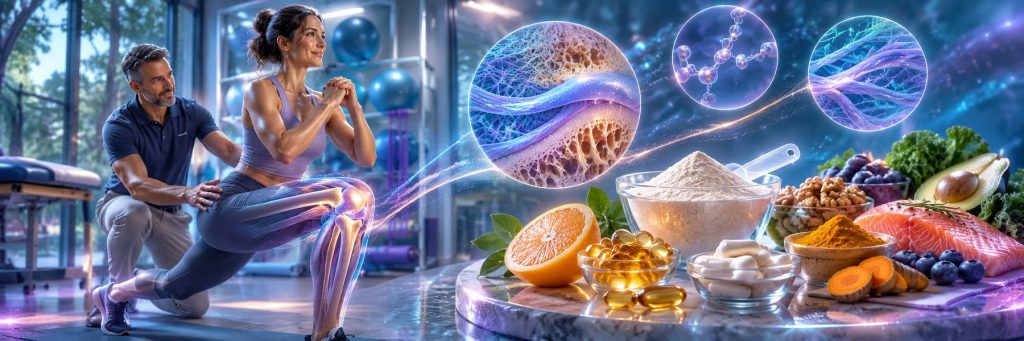
Bones are living structures. Throughout adulthood, specialized cells quietly remove aging bone and rebuild new tissue. This renewal keeps the skeleton responsive to everyday movement, but it also creates a vulnerability: when bone breakdown consistently outpaces formation, bone strength declines and fractures become more likely.
The growing world of peptide research raises a compelling question. Could compounds that influence bone-forming cells, tissue repair, and growth-related pathways complement nutrition and physical activity to keep bones stronger for longer?
Some approaches have already crossed the threshold into clinical care. Teriparatide and abaloparatide are FDA-approved anabolic peptide medications with randomized human evidence supporting bone-density gains and fracture-risk reductions in defined osteoporosis populations. Others, including BPC-157, GHK-Cu, thymosin beta-4, CJC-1295, and ipamorelin, remain experimental for skeletal health. No community peptide stack discussed here has been proven to improve human bone density or prevent fractures. [1–4]
1. The Big Picture: Bone Strength Is More Than a Bone-Density Number
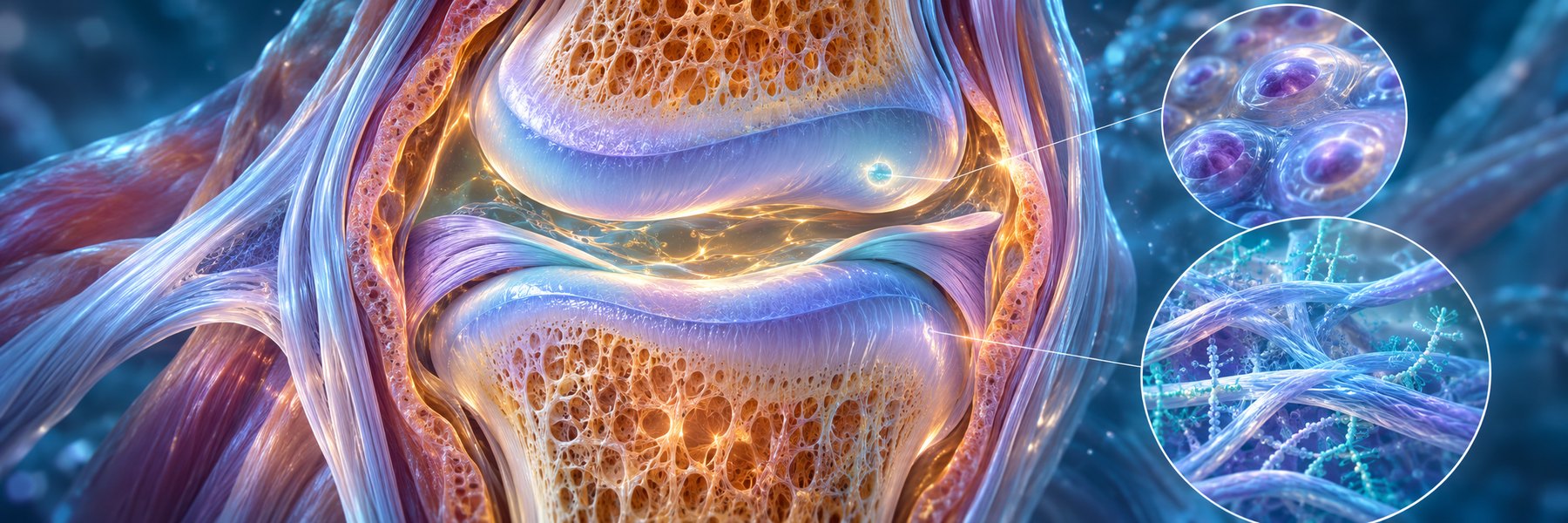
Osteoporosis is often described as having thin or weak bones, but the complete picture is more complex. Strong bone requires adequate mineral content and a well-organized microscopic structure. Dense outer cortical bone forms a protective shell, while inner trabecular bone forms a lattice of interconnected struts. Both contribute to resistance against fractures.
A DXA scan estimates bone mineral density (BMD) and helps clinicians assess fracture risk. Yet density is not identical to strength. Age, prior fractures, fall risk, medications, bone geometry, muscle function, and the organization of the bone matrix all influence actual fracture risk.
A fracture is different from osteoporosis. Fracture healing involves inflammation, formation of a callus, mineral deposition, and remodeling over time. Treating low bone density aims to lower the chance of future fractures. A peptide that improves a fracture-related biomarker in a mouse does not thereby become a proven osteoporosis treatment.
2. Biological Pathways: How Bones Remodel and Rebuild
Osteoclasts and osteoblasts: The remodeling partnership
Osteoclasts break down old or damaged bone; osteoblasts build new bone matrix, which later becomes mineralized. Osteocytes, embedded within bone, act as mechanical sensors and help coordinate both processes. Healthy remodeling is not simply about making osteoblasts work harder. Bone must be renewed in the correct locations, with appropriate timing and structure.
Parathyroid hormone and PTHrP signaling
Parathyroid hormone (PTH) helps regulate calcium balance and bone turnover. When appropriately administered intermittently, PTH-related drugs can favor bone formation. Teriparatide is a PTH(1–34) analog, and abaloparatide is a parathyroid hormone-related protein (PTHrP) analog. The drugs have distinct pharmacology but are alternative bone-building treatments, not a combined peptide regimen. [1, 2]
Growth hormone and IGF-1
Growth hormone (GH) and insulin-like growth factor 1 (IGF-1) influence skeletal development, cell activity, and bone turnover. Deficiency and excess can both disrupt skeletal health. In acromegaly, chronically excessive GH/IGF-1 activity can coexist with higher vertebral fracture risk. Therefore, a rise in GH or IGF-1 after a secretagogue does not demonstrate increased bone strength. [5]
Collagen, mineralization, and nutrients
The organic bone matrix contains primarily type I collagen, which gives the skeleton a flexible scaffold. Calcium and phosphate mineralize that scaffold, while vitamin D supports calcium absorption. Vitamin C is required for normal collagen synthesis. Adequate protein supports both muscle and bone-related tissues.
Mechanical loading
Weight-bearing activity, progressive resistance training, balance training, and fall prevention are important because bones respond to force and because preventing falls lowers injury risk. The best exercise approach must be adjusted for fracture history and medical risk. High-impact exercise is not automatically appropriate for someone with advanced osteoporosis or recent vertebral fractures.
3. Comparing the Peptide Therapies and Proposed Stacks
Teriparatide or abaloparatide + nutritional support: The evidence-based anabolic pathway
What they target: Teriparatide engages PTH1-receptor signaling; abaloparatide is a PTHrP analog acting at the same receptor with a different signaling profile. Both favor bone formation under their approved treatment schedules.
Human evidence: Both drugs have randomized clinical data showing increased BMD and fewer vertebral fractures, with evidence of reduced nonvertebral fractures in studied populations. In the ACTIVE trial, abaloparatide reduced vertebral and nonvertebral fracture risk versus placebo over 18 months; teriparatide was included as an active comparator. A between-drug difference in some BMD measures does not prove that one is universally preferable for preventing fractures. [2, 3]
How nutrition fits: Adequate calcium, vitamin D, and protein help avoid nutritional barriers to bone health. More supplementation is not inherently better. The correct strategy depends on food intake, deficiency, kidney function, and the prescribed treatment.
The essential distinction: Teriparatide and abaloparatide should not be stacked together. They are alternatives selected by a clinician. Following a time-limited anabolic course, osteoporosis guidelines generally recommend an antiresorptive agent such as a bisphosphonate or denosumab to preserve treatment gains. [1]
BPC-157 + GHK-Cu: Experimental connective-tissue and bone-healing signaling
Research rationale: BPC-157 is studied in animal tissue-injury models, while copper peptide GHK-Cu has laboratory research involving extracellular-matrix biology, wound healing, and collagen-related responses. Since fracture repair also requires a connective-tissue scaffold, researchers might ask whether their effects can complement bone repair.
What is missing: There are no controlled human trials demonstrating that this pair increases bone density, speeds fracture union, or reduces future fractures. Evidence derived from skin, tendon, or wound models cannot automatically be applied to skeletal mineralization. [6, 7]
Research outlook: A meaningful study would need verified peptide identity, toxicology, pharmacokinetics, fracture imaging, mechanical strength outcomes, and measures of function and reinjury. This is a research hypothesis, not a treatment recommendation.
BPC-157 + full-length thymosin beta-4: A fracture-remodeling hypothesis
Research rationale: Thymosin beta-4 is a 43-amino-acid peptide involved in actin-associated cellular processes. In a published mouse fracture model, full-length thymosin beta-4 was associated with changes in the healing callus and improved mechanical properties. That is promising preclinical work, but does not establish human clinical effectiveness. [8]
An important identity issue: Full-length thymosin beta-4 is not necessarily the same as a product labeled TB-500. Some products use TB-500 to describe a shorter fragment, with different amino-acid composition and potentially different biological activity. Research on the full-length peptide must not be presented as direct proof for an unspecified TB-500 product. [6]
What is missing: No controlled human fracture trial validates BPC-157 plus thymosin beta-4. There is no established dose, route, combination safety profile, or evidence that it prevents osteoporosis-related fractures.
CJC-1295 + ipamorelin: Growth hormone signaling, not proven bone building
Research rationale: CJC-1295-related compounds act through the growth-hormone-releasing hormone pathway, while ipamorelin stimulates the ghrelin/GH-secretagogue receptor. Their pairing is often discussed for muscle recovery and GH/IGF-1 changes.
Clinical distinction: Hormone changes do not prove increases in BMD, better bone microarchitecture, or fewer fractures. In healthy adults or people without diagnosed GH deficiency, there is no established clinical basis for using this combination to prevent osteoporosis. GH excess can also create unfavorable skeletal outcomes. [5, 7]
Additional uncertainty: CJC-1295 formulations marketed with or without DAC differ in duration and exposure; community naming can obscure chemical identity. This combination also introduces potential GH-axis adverse effects without established bone benefit.
Other relevant clinical and experimental comparisons
Romosozumab followed by an antiresorptive: Romosozumab is an antibody against sclerostin, not a peptide stack. It has evidence for increasing bone density and reducing fractures in appropriate high-risk patients. It requires attention to cardiovascular warnings and is generally used before a maintenance antiresorptive. It offers an example of a clinically studied treatment sequence rather than indiscriminately combining anabolic substances. [1]
Antiresorptive treatment + adequate nutrition: Bisphosphonates and denosumab reduce bone breakdown and can prevent fractures in appropriately selected patients. Maintaining calcium and vitamin D adequacy is supportive, not a substitute. Stopping denosumab without an effective transition plan can cause rebound bone loss and vertebral fractures. [1]
BPC-157 + collagen/vitamin C: A proposed experimental peptide plus nutritional strategy. Collagen and vitamin C are biologically relevant to bone matrix, but no controlled clinical trial demonstrates that adding BPC-157 improves outcomes over nutrition, rehabilitation, and indicated osteoporosis care.
4. Side-by-Side Evidence Comparison
| Therapy or proposed combination | Target pathway | What human evidence shows | Major limitation |
|---|---|---|---|
| Teriparatide or abaloparatide + adequate nutrition | PTH1 receptor, bone formation | Randomized BMD and fracture outcomes in selected osteoporosis patients | Requires diagnosis, monitoring, time-limited specialist plan |
| Romosozumab → antiresorptive | Sclerostin inhibition, then resorption control | Fracture-risk reduction in selected high-risk populations | Cardiovascular warnings and treatment sequencing |
| BPC-157 + GHK-Cu | Injury response and extracellular matrix | No controlled human bone outcomes | Extrapolates from other tissues and preclinical studies |
| BPC-157 + thymosin beta-4 | Cellular migration and fracture remodeling | No human combination-fracture trials | Mouse findings; product identity and safety uncertainties |
| CJC-1295 + ipamorelin | GH/IGF-1 axis | No demonstrated combination benefit for BMD or fractures | Hormone change is an unreliable substitute for bone strength |
| Collagen/vitamin C/protein support | Bone matrix and nutrient adequacy | Some nutritional and musculoskeletal human evidence | Cannot replace medications when fracture risk is high |
5. Complementary Supplements: What Belongs in a Bone-Health Plan?
Calcium
Calcium is required for skeletal mineralization, but adequacy matters more than maximal intake. Food sources include dairy, calcium-set tofu, fortified beverages, and some greens. Excess supplements can contribute to constipation or kidney stones in susceptible people. In a large 2026 review, routine supplementation with calcium, vitamin D, or both yielded little to no clinically meaningful fracture prevention benefit in the predominantly community-dwelling populations studied. That finding does not negate correcting deficiency or supporting selected osteoporosis treatments. [9]
Vitamin D3
Vitamin D helps the intestine absorb calcium. Correcting deficiency is important, especially with malabsorption or bone disease. However, high-dose vitamin D does not reliably prevent fractures in otherwise sufficient adults and may cause toxicity or hypercalcemia. Testing and dosing should reflect individual risk and clinical guidance. [9]
Vitamin K2
Vitamin K participates in the activation of bone-related proteins such as osteocalcin. Some studies have examined K2 and BMD outcomes, but evidence that routine K2 supplementation meaningfully prevents fractures remains inconsistent. Vitamin K can interfere with warfarin anticoagulation, and sudden changes in dietary or supplemental intake require clinical guidance.
Magnesium
Magnesium contributes to normal bone physiology and vitamin D-related pathways. Correcting deficiency is sensible, but routine high-dose magnesium has not been shown to replace osteoporosis therapy or reliably prevent fractures. Excess supplemental magnesium can cause diarrhea and presents additional risk in significant kidney impairment.
Collagen peptides + vitamin C
Collagen offers amino acids relevant to the organic bone matrix, while vitamin C supports normal collagen synthesis. Some small trials examine bone turnover and BMD, but the evidence is far less established than the fracture-outcome data for approved osteoporosis drugs. A favorable biomarker does not prove fewer broken bones.
Adequate protein
Protein supports both bone matrix and the muscles that protect the skeleton through balance and movement. Older adults, people recovering from fractures, and individuals with low intake may especially benefit from correcting protein inadequacy. Energy intake matters too: chronic underfueling can impair hormonal and skeletal health.
Other nutrients and interventions
Phosphorus is usually abundant in diets and generally does not need supplementation. Vitamin B12, iron, zinc, and other micronutrients matter when deficiencies exist, but extra amounts do not necessarily build denser bone. Creatine may support resistance training and muscle function, yet it is not an established osteoporosis medication or fracture-prevention supplement. Balance work, resistance exercise, vision assessment, home-safety adjustments, and fall-risk reduction remain practical parts of a comprehensive strategy.

6. Special Focus: What Actually Strengthens Bones?
Bone-density gains versus fewer fractures
A higher DXA score is encouraging, but the endpoint that often matters most is fewer fragility fractures of the hip, spine, wrist, or other sites. An effective treatment may improve both. Clinical trials therefore need to examine fracture outcomes, not merely changes in biochemical markers or bone-cell activity in a dish.
Why more growth hormone does not automatically produce stronger bones
GH and IGF-1 can influence bone turnover, yet more turnover is not necessarily better bone structure. In growth hormone deficiency, medically indicated hormone treatment can have skeletal benefits, but in acromegaly, excess GH/IGF-1 is associated with vertebral fracture risk despite complex or even apparently reassuring BMD measurements. There is no justified leap from “CJC-1295 and ipamorelin stimulate GH” to “this combination prevents osteoporosis.” [5]
Why fracture repair is not the same as osteoporosis prevention
Fracture repair is a localized response to a broken bone. Osteoporosis is a systemic condition involving bone quality and future fracture risk. Animal work on improving callus formation can inspire research, but it does not establish treatment for generalized low bone density. Future trials should distinguish time to fracture union, mechanical strength of healed bone, BMD, and new-fracture incidence.
What genuine peptide-stack synergy would require
To establish an advantage, researchers would need accurately identified compounds, validated formulation stability, toxicology, randomized controlled studies with single-agent arms and a combination arm, adequate follow-up, and functional as well as skeletal outcomes. Researchers would also need to show that any added benefit outweighs additional adverse effects, costs, and complexity.
7. Safety: Why Bone-Active Therapies Require Careful Monitoring
Approved anabolic peptides carry real risks and contraindications. Teriparatide may cause elevated calcium, dizziness, orthostatic hypotension, and concerns in people at increased osteosarcoma risk. Abaloparatide can cause dizziness, elevated urinary calcium, and related concerns. Selection depends on fracture risk, relevant cancers or skeletal radiation history, kidney disease, calcium disorders, medications, and other factors. The U.S. prescribing information should guide treatment and monitoring. [10, 11]
Do not combine teriparatide and abaloparatide. Their shared receptor pathway creates unnecessary overlap without established additive fracture protection. Nor should unapproved experimental peptides be added to anabolic prescriptions based on community protocols.
BPC-157, thymosin preparations, GHK-Cu, CJC-1295, and ipamorelin have uncertain human skeletal safety. Risks include formulation purity, immune reactions, exposure uncertainty, inconsistent product labeling, and the possibility of delaying effective treatment. A 2026 orthopaedic review emphasizes how limited human evidence remains. [6, 7]
Supplements are not risk-free. Excess calcium and vitamin D can be harmful, vitamin K interacts with warfarin, and people with impaired kidney function may require individualized calcium, phosphate, vitamin D, and magnesium management. A fall, a vertebral compression fracture, or a suspected stress fracture deserves clinical evaluation rather than an unproven peptide experiment.
8. Where the Science Is Heading
Emerging bone research spans targeted PTH/PTHrP signaling, inhibition of sclerostin, bone-cell communication, local fracture scaffolds, and improved ways to assess microarchitecture. Carefully designed studies may eventually identify safe regenerative peptide approaches for fractures or difficult-to-heal injuries. That possibility is exciting precisely because it can be tested against established standards.
For now, the strongest strategy is to identify fracture risk, diagnose causes of low bone mass, use proven therapy when indicated, support nutrition, and build strength and balance safely. Complexity does not equal effectiveness.
9. Explore Related Peptides
- BPC-157 — Search for its experimental tissue repair profile.
- GHK-Cu — Search for copper-peptide and collagen research.
- Thymosin beta-4 — Check full-length identity versus shorter fragments.
- CJC-1295 — Explore the growth hormone releasing-hormone pathway.
- Ipamorelin — Explore GH-secretagogue signaling.
- Full Peptide Directory — Browse additional research compounds.
Selected Research and Clinical Sources
- Endocrine Society osteoporosis guideline.
- ACTIVE trial: abaloparatide, teriparatide and vertebral fractures.
- Abaloparatide and fracture incidence in high-risk osteoporosis.
- Clinical practice guideline on approved anabolic osteoporosis agents.
- Growth hormone and bone: clinical perspectives.
- Investigational peptides in orthopaedic practice: evidence and safety.
- Emerging peptides and musculoskeletal recovery review.
- Thymosin beta-4 administration enhanced fracture healing in mice.
- 2026 systematic review: calcium, vitamin D and fracture prevention.
- FDA prescribing information for teriparatide.
- FDA prescribing information for abaloparatide.
Medical disclaimer: This article is educational and examines scientific literature, not an individualized treatment plan or a protocol for using unapproved research compounds. Bone-building prescription medicines require medical evaluation and monitoring. People with known osteoporosis, a fragility fracture, or symptoms of a new fracture should seek appropriate professional evaluation.