
Peptide Perspectives | Peptide Stacking & Synergy Series | Research goal: Appetite & Satiety
Article overview: Can combining hormone pathways help people feel satisfied with less food, or does multiplying appetite signals mainly increase side effects? Research into GLP-1, GIP, amylin, glucagon, and mitochondrial peptides suggests that the answer depends on the combination, the outcome being measured, and the quality of the evidence.
1. The Big Picture: Hunger, Fullness, and Cravings Are Not the Same Thing
Hunger is partly a biological drive to eat. Fullness is a sensation that a meal has satisfied immediate needs. Cravings can arise even without physical hunger, especially in response to familiar cues, stress, reward, and food availability. A person can feel physically full yet still want dessert; another might lose interest in food without receiving enough protein, fluids, or micronutrients.
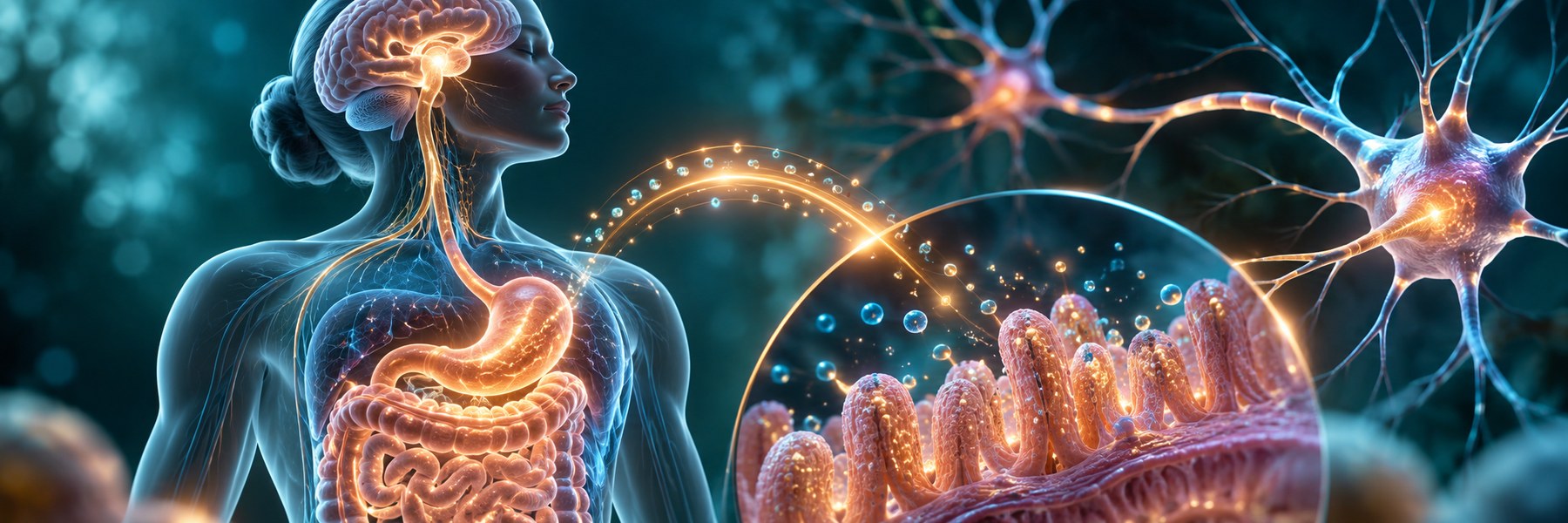
That distinction helps explain the growing scientific interest in combining metabolic peptides. Rather than act on a single appetite switch, different hormonal systems contribute to meal initiation, meal termination, nutrient sensing, glucose regulation, and communication between the digestive tract and the brain.
The clearest example is CagriSema, a combination of semaglutide and the amylin analogue cagrilintide. It has been investigated in large human Phase 3 trials. Other popular combinations, including cagrilintide with tirzepatide or retatrutide, remain investigational. One of them now has an intriguing 2026 animal combination study, but that still does not validate its use in humans.
The most important question is not simply, “Can a stack reduce hunger more?” It is, “Can it improve clinically meaningful outcomes while allowing adequate nutrition, good tolerability, and sustainable eating patterns?”
2. The Biological Pathways Behind Satiety
GLP-1: The meal-response signal
Glucagon-like peptide-1 is released from intestinal cells after eating and contributes to glucose-dependent insulin release, reduced glucagon secretion, delayed gastric emptying, and appetite regulation. Semaglutide is a GLP-1 receptor agonist with FDA-approved products for specified medical indications. Its weight-management benefits reflect integrated effects on food intake and metabolic regulation.
GIP: A second incretin pathway
Glucose-dependent insulinotropic polypeptide contributes to meal-related insulin responses. Tirzepatide acts at both GIP and GLP-1 receptors. This does not mean it is equivalent to two separate drugs, nor does it make additional appetite medications automatically beneficial.
Amylin: The meal-ending signal
Amylin is secreted with insulin by pancreatic beta cells. It contributes to meal-size regulation, gastric emptying, and satiety. Cagrilintide is a long-acting amylin analogue investigated as a way to reinforce this partly distinct signaling pathway. Amylin and GLP-1 pathways are complementary, but both may contribute to nausea, fullness, and gastrointestinal effects.
Glucagon and broader metabolic signaling
Retatrutide activates GLP-1, GIP, and glucagon receptors. Glucagon receptor activity adds energy-metabolism effects to an already potent appetite-related drug. An extra amylin agent might alter energy balance further, but could also increase adverse effects.
Mitochondrial signals are not conventional appetite suppressants
MOTS-C, a mitochondrial-derived peptide, has been investigated for AMPK-related signaling, glucose utilization, and exercise-related metabolic adaptation in animals. It is mechanistically different from GLP-1 or amylin drugs. Human studies have not established that injected MOTS-C reliably reduces cravings, treats obesity, or makes tirzepatide safer or more effective.
3. Evaluating the Most Discussed Peptide Stacks
Stack 1: Semaglutide + Cagrilintide (CagriSema)
Research rationale: GLP-1 and amylin signaling influence overlapping but distinct mechanisms involved in appetite, meal size, and metabolic regulation. This is a direct test of whether complementary satiety systems can provide benefits beyond a single agent.
Human evidence: In the 68-week Phase 3 REDEFINE 1 trial involving adults with obesity or overweight plus a related condition, CagriSema produced an estimated 20.4% mean body-weight reduction under the treatment-policy estimand, versus 3.0% with placebo. That particular comparison does not itself establish the size of benefit over semaglutide alone; however, active-comparator and subsequent pooled analyses support additional weight reduction relative to semaglutide. Approximately 79.6% of CagriSema participants reported gastrointestinal adverse events, versus 39.9% receiving placebo, mostly transient and mild to moderate. REDEFINE 1, NEJM (2025).
The Phase 3 REIMAGINE 2 diabetes trial found a greater mean HbA1c reduction for CagriSema than semaglutide alone at the studied dose, with gastrointestinal disorders remaining the most common adverse-event category. REIMAGINE 2, PubMed (2026).
What remains unclear: Weight change is a clinically meaningful result but is not a direct laboratory measurement of cravings, food reward, or meal satisfaction. Long-term durability, functional outcomes, and whether each component contributes equally for different patients remain important questions. As of November 14, 2026, CagriSema remained investigational and was not FDA-approved in the United States; an FDA decision was anticipated later in 2026. Novo Nordisk update.
Research perspective: Among the proposed peptide combinations, this has the strongest direct human combination evidence. It also demonstrates why better weight-loss outcomes must be evaluated alongside tolerability and nutrition.
Stack 2: Tirzepatide + Cagrilintide
Research rationale: Tirzepatide targets GIP and GLP-1 receptors; cagrilintide targets amylin-associated receptors. In theory, adding amylin signaling could influence meal size or fullness beyond dual incretin therapy alone.
Evidence: The individual compounds have meaningful clinical research, but this pairing lacks established human combination efficacy and safety. It would be misleading to add the separate drugs’ weight-loss percentages together or assume improvement over an optimized single-agent treatment.
Overlapping effects and risks: Both compounds may produce substantial appetite suppression and gastrointestinal effects. Potential concerns include nausea, vomiting, constipation, inadequate oral intake, dehydration, and difficulty maintaining protein consumption. Tirzepatide labeling recommends against coadministration with another GLP-1 receptor agonist; although cagrilintide is not itself a GLP-1 drug, that warning illustrates why mixing incretin therapies is not a casual extension of approved use. The investigational tirzepatide-cagrilintide combination has no established benefit-risk profile. Zepbound prescribing information.
Research perspective: Plausible receptor complementarity, but no demonstration that a combined treatment meaningfully improves craving control, eating satisfaction, body composition, or long-term adherence.
Stack 3: Retatrutide + Cagrilintide
Research rationale: Retatrutide engages GLP-1, GIP, and glucagon receptors; cagrilintide engages amylin-related signaling. The combination covers several metabolic and appetite-related pathways.
New preclinical evidence: A September 2026 study in Nature Metabolism tested the combination in diet-induced obese male rats. Researchers reported greater reductions in body weight and food intake than the studied monotherapies, along with changes in insulin and lipid-related markers. Pair-feeding and weight-matching analyses suggested some metabolic effects could not be explained solely by eating less. Nature Metabolism (2026).
The limit: This is genuine animal combination research, not human proof. It does not establish an effective or safe dose, optimal duration, impact on human cravings, or acceptable long-term adverse-event profile. Retatrutide itself was still investigational in the United States as of November 2026.
Potential concern: Four hormone-related receptor systems could generate substantial appetite suppression, yet their combined effects on nausea, gastrointestinal motility, energy intake, heart rate, and other outcomes remain uncertain.
Research perspective: A compelling candidate for carefully designed future trials, but not a validated clinical stack. It would be premature to interpret the animal study as a green light for personal experimentation.
Stack 4: MOTS-C + Tirzepatide
Research rationale: Tirzepatide influences appetite and glucose-related hormones, whereas MOTS-C may regulate cellular fuel sensing, AMPK-associated activity, and stress adaptation.
Evidence: There is clinical evidence for tirzepatide alone, and predominantly animal and mechanistic evidence for administered MOTS-C. There are no adequate controlled human studies demonstrating that adding MOTS-C to tirzepatide improves appetite, cravings, insulin sensitivity, muscle retention, or metabolic function. MOTS-C research profile.
Research perspective: Potentially complementary metabolic pathways, but MOTS-C is not a proven appetite suppressant. Metabolic synergy should not be inferred from pathway diagrams alone.
Two Additional Comparisons Worth Understanding
Semaglutide + protein or psyllium: This is a nutrition-support strategy rather than a second injectable peptide. Protein and viscous fiber may affect meal composition, gastric processing, and perceived satisfaction, but trials have not established a consistent, drug-specific additive effect on weight loss or cravings. In people already experiencing severe fullness or constipation, forcing additional fiber can worsen tolerance.
Tirzepatide + another GLP-1 drug: This is an example of overlapping therapy to avoid, not a recommended stack. The U.S. tirzepatide label says coadministration with another GLP-1 receptor agonist is not recommended. The biological goal should be better outcomes with acceptable risk, not maximal receptor coverage.
4. Comparing the Research Approaches
| Combination | Main pathway(s) | Direct combination evidence | Main limitation |
|---|---|---|---|
| Semaglutide + cagrilintide | GLP-1 + amylin | Phase 3 human trials | GI adverse events, nutritional challenges, long-term questions |
| Tirzepatide + cagrilintide | GLP-1/GIP + amylin | No established human efficacy trials | Overlapping satiety effects, uncertain safety |
| Retatrutide + cagrilintide | GLP-1/GIP/glucagon + amylin | 2026 obese-male-rat combination study | Animal findings not validated in humans |
| MOTS-C + tirzepatide | Mitochondrial signaling + incretins | No controlled human combination evidence | MOTS-C human safety and efficacy unestablished |
| Semaglutide + protein or fiber | Hormonal signaling + nutritional satiety | Component evidence; limited stack-specific proof | Added fullness, bloating, insufficient intake |
| Tirzepatide + separate GLP-1 agonist | Overlapping incretin systems | Not an established treatment | Label recommends against coadministration |
The table reflects the quality of evidence for a combination, not merely whether each ingredient has an interesting mechanism or positive standalone study.

5. Supplements That May Complement Appetite-Focused Care
Psyllium husk: Viscous fiber and meal satisfaction
Psyllium is a gel-forming soluble fiber with human evidence for lowering LDL cholesterol and improving bowel regularity. Some studies suggest effects on fullness, but findings depend on dose, meal context, and outcome measured. It is a reasonable way to address a dietary fiber gap when tolerated, not a proven replacement for appetite therapy. Adequate water is essential, and it should be used cautiously with swallowing problems, suspected obstruction, significant gastroparesis, or severe constipation. Oral medications may require spacing.
Glucomannan: Strong viscosity, important tolerability concerns
Glucomannan is a highly water-absorbing soluble fiber. Its physical swelling can plausibly affect fullness, but weight-loss findings have been inconsistent. Because dry or insufficiently hydrated products can swell and cause choking or obstruction, formulation and instructions matter. Adding it to a powerful appetite-suppressing medication does not guarantee greater benefit and could worsen bloating or gastrointestinal discomfort.
Protein: Satiety plus preservation of lean tissue
Protein-rich meals influence several satiety-related signals and are valuable for maintaining muscle during substantial weight reduction. Yogurt, eggs, fish, poultry, tofu, beans, and protein supplements can all contribute. The ideal total intake depends on body size, health, and activity; a plan that creates so much fullness that nutrition becomes inadequate defeats the purpose.
Prebiotic fiber: Microbiome support, not guaranteed craving reduction
Inulin, partially hydrolyzed guar gum, resistant starch, and other fermentable fibers influence gut microbial activity and short-chain fatty acid production. Some can improve bowel function or dietary quality. Evidence that taking a prebiotic reliably suppresses cravings or magnifies peptide medication effects is limited. Fermentable fibers can worsen gas and bloating in sensitive individuals, so formulation selection matters more than stacking many products.
Electrolytes: Replace losses when needed
Electrolytes are relevant when vomiting, diarrhea, sweating, or low intake causes fluid or mineral losses. They are not appetite suppressants. Routine high-sodium or high-potassium products may be inappropriate for some people, including those with hypertension, kidney disease, or medications that alter electrolyte handling.
Additional supportive options
Whole-food dietary patterns: Legumes, vegetables, whole grains, fruit, adequate protein, and unsaturated fats create more durable nutritional support than an escalating list of satiety compounds.
Hydration: Sufficient fluid intake supports normal physiology and fiber tolerance, but excessive water before meals is not a reliable substitute for nutrition.
Creatine plus resistance exercise: These do not specifically reduce food cravings, but may be relevant when significant appetite suppression makes maintaining muscle and physical function more challenging.
Sleep and behavioral strategies: Inadequate sleep, stress, and highly learned food cues can influence appetite and eating behavior independently of peptide pathways. These are meaningful targets even when hormonal therapy is effective.
6. Special Focus: Are Stronger Satiety Signals Always Better?
A combination may alter meal size, time to fullness, frequency of hunger, and subjective food interest differently. These outcomes should not be treated as interchangeable.
A person might report fewer cravings but experience inadequate protein intake. Another might eat smaller meals but feel constant nausea. A third might maintain good nutrition while achieving steady weight reduction. All three could report that they feel “less hungry,” but their clinical outcomes are very different.
The scientific test of synergy requires more than showing a greater drop on the scale. Future trials should assess:
- Direct appetite measures: validated hunger, fullness, and craving scales; meal studies; and eating-behavior outcomes.
- Clinical outcomes: weight and waist circumference, glucose control, cardiometabolic measures, and longer-term maintenance.
- Nutritional adequacy: protein and energy intake, micronutrient status, hydration, and gastrointestinal tolerability.
- Body composition and function: muscle strength, performance, and body-composition change, interpreted with appropriate measurement limits.
- Combination-specific risks: whether adverse events or treatment discontinuation increase beyond single agents and whether the effect persists.
- Direct comparator arms: the combination against each ingredient alone, using well-designed dosing and comparable care.
Only those comparisons can clarify whether two pathways deliver a true advantage, simply duplicate one another, or trade modest additional efficacy for considerably worse tolerability.
7. Safety: More Appetite Suppression Can Mean More Risk
Gastrointestinal effects and dehydration. Powerful satiety agents can cause nausea, vomiting, abdominal pain, diarrhea, constipation, and delayed gastric emptying. Persistent vomiting or inability to maintain fluid intake needs prompt clinical evaluation.
Insufficient nutrition and lean-mass loss. A very low appetite can make it difficult to consume adequate protein, calories, fiber, and micronutrients. Rapid weight loss may include loss of lean tissue as well as fat.
Other medication and disease risks. GLP-1-based drugs have important warnings and contraindications; these include pancreatitis symptoms, gallbladder problems, and specific thyroid tumor-related contraindications on U.S. labels. Hypoglycemia risks increase when combined with certain diabetes drugs. Tirzepatide can delay absorption of oral medications and has specific guidance concerning oral contraceptives. FDA/DailyMed label.
Experimental-product uncertainty. Cagrilintide outside authorized trials and unapproved retatrutide or MOTS-C preparations may have unknown identity, purity, sterility, potency, and stability. A vial marketed “for research use only” is not equivalent to a product used in a regulated clinical trial.
Fiber and supplement interactions. Psyllium and glucomannan require adequate fluids and can worsen certain gastrointestinal problems. Adding several bulking fibers at once can make it hard to determine the cause of bloating or constipation. Electrolyte supplements are not risk-free.
Overlapping hormonal systems. Combining drugs that affect similar pathways can complicate interpretation of side effects and clinical monitoring. Do not assume a larger number of receptor targets produces more lasting or healthier results.
These cautions are particularly relevant for people with a history of severe gastrointestinal disease, impaired hydration, pancreatic or gallbladder problems, kidney disease, or treatment with glucose-lowering medications.
8. Where the Science Is Heading
The next generation of appetite research may distinguish physical fullness from reward-driven eating and clarify who benefits from a combination rather than a single agent.
One direction is selective multi-receptor therapy, in which different pathways are intentionally balanced within a studied treatment rather than combined informally. CagriSema has helped establish the clinical feasibility of testing GLP-1 and amylin signaling together.
A second direction is mechanistically informed preclinical research. The 2026 retatrutide-cagrilintide rat study is especially relevant because it suggests that some metabolic responses might be more complex than simply eating less. It also underscores the need for properly controlled human investigations before clinical use.
A third direction is quality-of-weight-loss research. If combinations become more effective at reducing energy intake, protecting nutrition, strength, and quality of life becomes even more important. Supplements may help address dietary gaps, but no supplement should be assumed to provide a clinically validated multiplier for peptide effectiveness.
The most encouraging future is not a contest to create the strongest appetite suppression. It is the development of therapies that provide enough control over hunger and cravings for patients to eat well, function well, and sustain better metabolic health.
9. Explore the Compounds
- Semaglutide — GLP-1 receptor signaling and weight-management research.
- Cagrilintide — long-acting amylin analogue and satiety research.
- Tirzepatide — GLP-1 and GIP pathways and metabolic health.
- Retatrutide — investigational GLP-1/GIP/glucagon receptor agonism.
- MOTS-C — mitochondrial-derived metabolic signaling.
Site note: These links follow the existing Peptide Perspectives directory URL format. The MOTS-C page was independently confirmed; the remaining individual URLs should be checked in WordPress before publishing.
Selected Research and Further Reading
- Garvey WT et al. Coadministered Cagrilintide and Semaglutide in Adults with Overweight or Obesity. New England Journal of Medicine (2025). Read the study.
- Cagrilintide–Semaglutide in Adults with Overweight or Obesity and Type 2 Diabetes. New England Journal of Medicine (2025). Read the study.
- REIMAGINE 2: Cagrilintide–semaglutide versus semaglutide or cagrilintide in type 2 diabetes. The Lancet (2026). PubMed.
- Cagrilintide and retatrutide combination therapy enhances weight loss and metabolic outcomes in obese male rats. Nature Metabolism (2026). Read the study.
- Zepbound (tirzepatide) U.S. prescribing information. DailyMed.
Peptide Perspectives research disclaimer: This article is for education and scientific discussion, not an individualized medication or supplement protocol. FDA-approved drugs should be used only as indicated and under appropriate clinical supervision. Investigational peptide combinations have not demonstrated an acceptable benefit–risk profile for unsupervised use. No dosing, reconstitution, or administration schedule for unvalidated peptide stacks is provided.