
What if future immune therapies could help the body recognize the difference between a real threat and its own healthy tissues? From regulatory T cells to peptide-controlled cytokine signaling, researchers are exploring ways to restore immune balance, especially in chronic inflammatory and autoimmune disease.

1. The Big Picture: A Healthier Immune System Is Not Simply a Quieter One
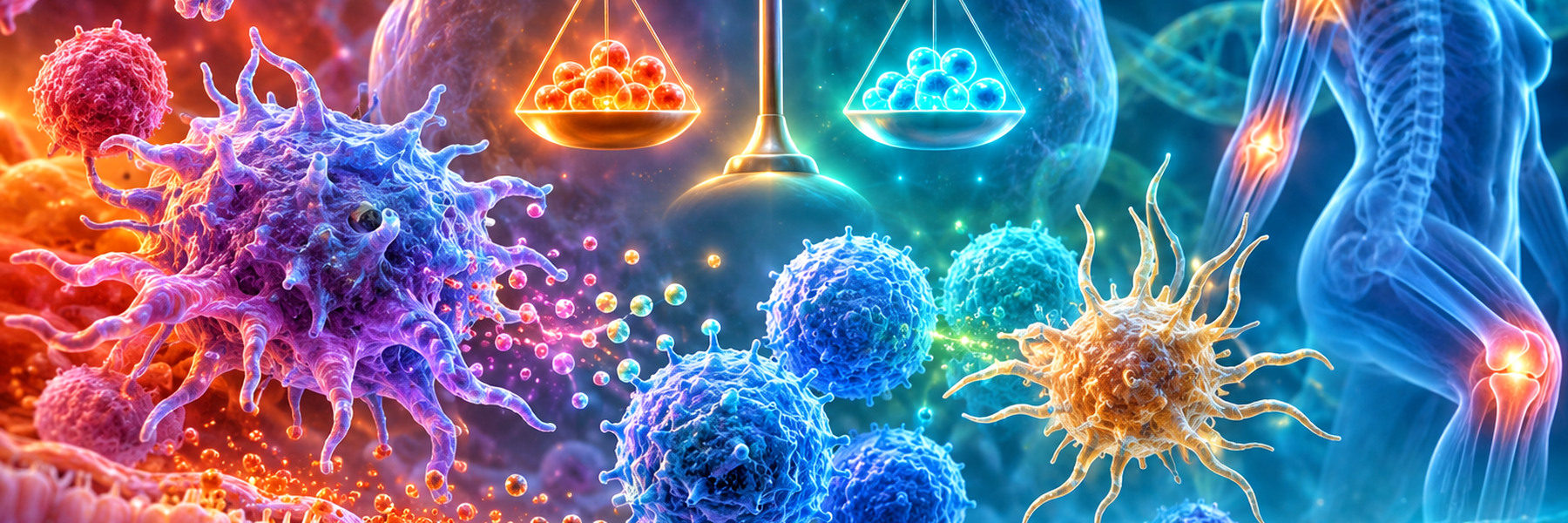
Our immune system must solve a remarkable problem every day: respond to infections, remove damaged cells, protect tissues, and avoid attacking the body’s own healthy structures. The answer is not to keep immune activity permanently high or permanently low. The goal is a well-regulated response that turns on when needed, stops when appropriate, and preserves tolerance to self.
When that balance fails, inflammation may continue after the original trigger has passed. In autoimmune diseases, the immune system misidentifies parts of the body as targets, as happens in conditions such as lupus, rheumatoid arthritis, and multiple sclerosis. Other conditions, including inflammatory bowel disease and psoriasis, involve complex immune-mediated inflammation that does not always fit the same classic autoantibody-driven model. Sarcoidosis is another immune-mediated inflammatory condition rather than a straightforward example of conventional autoimmunity.
Established treatment has made major progress using corticosteroids, disease-modifying drugs, and targeted biologics. These medicines can prevent serious organ damage, even when reducing immune activity increases certain infection risks. The next scientific frontier asks whether some therapies could act more selectively, supporting regulatory immune pathways while reducing the particular inflammatory signals that cause disease.
Peptides are especially interesting because many natural immune messages are proteins or short amino-acid chains. KPV has been studied for inflammatory signaling in intestinal tissue; VIP can influence immune-cell behavior and tolerance in animal models; thymosin alpha-1 affects aspects of T-cell and dendritic-cell function. LL-37, an antimicrobial peptide, provides an important counterexample: a protective host-defense signal can also contribute to autoimmune inflammation. ARA-290 explores tissue protection in immune-related nerve injury, while the bioregulators thymogen and Vilon represent an earlier, less established line of immune-cell research.
A particularly compelling clinical comparison is low-dose interleukin-2 (IL-2). This larger cytokine protein is being investigated for its ability to expand regulatory T cells in people with lupus. It shows what the phrase restoring immune balance could mean when researchers measure actual patient outcomes, not just cell-culture markers.
The important distinction: Influencing an immune marker is not the same as controlling an autoimmune disease. And a mechanism that appears to reduce inflammation cannot be assumed to preserve all normal infection-fighting functions.
2. The Biological Pathways: How Immune Balance Works
Innate and Adaptive Immunity: Defending Without Overreacting
Innate immunity provides early defense through barriers, macrophages, neutrophils, dendritic cells, and antimicrobial molecules. Adaptive immunity uses specialized T and B cells to respond more specifically to threats and build immune memory.
Dendritic cells link these systems. They present antigens to T cells along with signals that help determine whether a response should be activated, restrained, or tolerated. This is one reason VIP and thymosin alpha-1 have attracted interest: researchers are studying how peptide signals might affect immune decisions at that interface.
Cytokines: Messages, Not Simply ‘Good’ or ‘Bad’ Chemicals
TNF-alpha, IL-1 beta, IL-6, IL-17, interferons, and IL-2 are examples of cytokines involved in immune communication. Their effects depend on which cells produce them, how much is released, which receptors receive the message, and when it happens.
A treatment that reduces TNF signaling can be very effective for certain inflammatory diseases. But TNF also contributes to normal infection defense. That is why selective regulation still requires careful safety testing, even when a target seems more precise than a broad immunosuppressant.
Regulatory T Cells: The Immune System’s Brakes and Guidance
Regulatory T cells (Tregs) help maintain tolerance, limit excessive immune reactions, and prevent some forms of autoimmunity. Many express the transcription factor FOXP3, and their normal function involves several pathways, including IL-2 signaling.
Low-dose IL-2 research asks whether increasing Treg activity can restore more appropriate immune control in selected autoimmune conditions. VIP studies have also investigated the generation of tolerogenic dendritic cells and Treg-related responses, primarily in animal models.
Inflammatory Signaling: NF-kappaB and MAPK
Inside cells, NF-kappaB and MAPK pathways help organize responses to stress, infection, and inflammatory signals. These pathways are important for normal physiology but can contribute to tissue injury when dysregulated.
KPV, a three-amino-acid fragment of alpha-MSH, has reduced selected NF-kappaB/MAPK responses in cultured intestinal and immune cells and in mouse colitis research. This is promising mechanistic evidence, not proof that KPV treats human autoimmune disease.
Autoimmunity, Barrier Injury, and Tissue Damage
Autoimmune and immune-mediated diseases can affect different organs: joints in rheumatoid arthritis, skin in psoriasis, intestines in inflammatory bowel disease, and kidneys, nerves, or other tissues in lupus.
LL-37 demonstrates how this can become complicated. It contributes to antimicrobial defense, but in psoriasis research LL-37 bound self-DNA and helped stimulate interferon-related immune activity. A molecule can be protective in one context and inflammatory in another.
A therapy that changes tissue injury without changing the underlying autoimmune disease must also be understood differently. ARA-290 offers a research example because it has been studied for small-fiber nerve damage associated with sarcoidosis.
3. Compounds Researchers Are Exploring
KPV: Targeting Select Inflammatory Pathways
Explore KPV on Peptide Perspectives.
KPV (Lys-Pro-Val) is a tripeptide fragment of alpha-melanocyte-stimulating hormone. In a 2008 laboratory and mouse study, KPV entered certain intestinal and immune cells through PepT1, a peptide transporter, and reduced NF-kappaB/MAPK signaling and selected inflammatory cytokine responses. Mouse colitis severity also improved.
That raises a particularly interesting opportunity for local, tissue-directed anti-inflammatory research, especially when intestinal inflammation contributes to disease. More recent delivery research explores specialized formulations to protect or target the peptide.
Why it is promising: KPV offers a small, relatively well-defined molecule for investigating localized cytokine regulation rather than relying solely on broad systemic immunosuppression.
What remains unknown: No controlled human clinical trials establish KPV as treatment for Crohn’s disease, ulcerative colitis, lupus, psoriasis, or rheumatoid arthritis. Formulation-specific animal results cannot validate ordinary research capsules or injections; human dose, infection risk, and long-term safety remain unknown.
VIP: A Bridge Between Nerves and Immune Tolerance
Explore published VIP and regulatory T-cell research.
Vasoactive intestinal peptide (VIP) is a 28-amino-acid neuropeptide that acts on VPAC receptors. It participates in intestinal secretion, blood-vessel tone, and communication between the nervous and immune systems.
In mouse models of experimental autoimmune encephalomyelitis, a multiple-sclerosis model, VIP exposure was associated with more FOXP3-expressing regulatory T cells and reduced disease activity. Separate experimental colitis research used VIP-conditioned dendritic cells and observed reduced inflammatory injury. https://pubmed.ncbi.nlm.nih.gov/17087944/
Why it is promising: VIP suggests that helping the immune system develop tolerance could be a route toward more selective therapy, particularly if researchers learn how to target the right cells and tissues.
What remains unknown: Mouse results do not establish that VIP treats human multiple sclerosis, Crohn’s disease, or other autoimmune disorders. VIP can also affect blood pressure, flushing, and intestinal fluid secretion, creating significant practical safety questions. No FDA-approved VIP autoimmune treatment exists.
Thymosin Alpha-1: Coordinating T-Cell and Dendritic-Cell Responses
Explore thymosin alpha-1 research in immune-mediated intestinal injury.
Thymosin alpha-1 (thymalfasin) is a 28-amino-acid peptide investigated in both human clinical and laboratory immune research. It can influence dendritic-cell signaling and T-cell responses, although its effects are context-dependent.
In a 2020 experimental immune-checkpoint colitis model, thymosin alpha-1 supported a tolerogenic immune pathway and reduced intestinal injury in mice. That is a compelling direction because the model involves an immune response that has become damaging outside its intended target.
However, clinical translation remains challenging. In the 2025 TESTS Phase 3 sepsis trial, involving more than 1,100 adults, thymosin alpha-1 did not significantly reduce 28-day mortality. Sepsis is not autoimmune disease, but the result emphasizes why immune-marker changes must be followed by clinical outcome trials.
Why it is promising: Thymosin alpha-1 may help researchers understand how to shape antigen presentation and immune tolerance without assuming that stimulation and suppression are the only two options.
What remains unknown: It is not FDA-approved in the United States for autoimmune disease. Evidence from infection or sepsis trials cannot be transferred to autoimmune treatment, and immune activation could be undesirable in some patients.
LL-37: When a Protective Peptide Can Also Fuel Autoimmunity
Explore LL-37 on Peptide Perspectives.
LL-37 is a naturally occurring human cathelicidin peptide involved in antimicrobial defense and immune-cell signaling. It is biologically important precisely because it can do more than one thing.
A landmark psoriasis study found that LL-37 could bind the body’s own DNA and help it trigger plasmacytoid dendritic cells, leading to interferon production. Related work has implicated LL-37/nucleic-acid complexes in autoimmune signaling.
Why it is promising: Understanding LL-37 may help scientists find better ways to preserve microbial defense while limiting harmful recognition of self. In some diseases, the eventual therapeutic approach may involve blocking an LL-37-associated pathway, not adding more of the peptide.
What remains unknown: Supplemental LL-37 has not been shown to treat autoimmune conditions and could theoretically amplify certain inflammatory responses. No FDA-approved LL-37 therapy exists for psoriasis, lupus, or generalized immune balance.
ARA-290 (Cibinetide): Protecting Tissues in an Immune-Mediated Disease
Explore ARA-290 on Peptide Perspectives.
ARA-290 (cibinetide) is an investigational peptide derived from a tissue-protective region of erythropoietin. Unlike therapies aimed directly at adaptive immunity, its central research interest is protecting vulnerable tissues from inflammatory stress.
Small blinded human trials have studied ARA-290 in sarcoidosis-associated small-fiber neuropathy. A randomized study reported improvements in selected corneal nerve-fiber measures. Pain outcomes were less conclusive and varied by analysis.
Why it is promising: ARA-290 introduces a complementary possibility: some future treatments might protect nerves or other tissues from the consequences of inflammation while clinicians address the underlying immune disease.
What remains unknown: Sarcoidosis is an immune-mediated granulomatous condition, not identical to classic autoimmunity. These trials do not establish that cibinetide controls sarcoidosis itself or treats lupus, rheumatoid arthritis, or multiple sclerosis. It remains investigational.
Thymogen (Thymagen): A Short Thymic Bioregulator
Explore clinical thymogen research.
Thymogen, also called Thymagen, is the two-amino-acid peptide Glu-Trp (EW) associated with thymus-derived bioregulator research. It has been investigated for changes in lymphocyte-related signaling and aspects of immune-cell function.
An older small randomized surgical study evaluated thymogen around abdominal surgery and reported changes in selected immune measures. However, those findings do not demonstrate remission of autoimmune disease or confirm a selective Treg-restoring mechanism.
Why it is promising: Short thymic peptides offer a practical way to ask whether simple molecular sequences can influence immune-cell differentiation or recovery after stress.
What remains unknown: The published clinical literature is limited and difficult to generalize. Thymogen has no FDA-approved autoimmune indication, and evidence does not establish that it prevents autoimmune flares or can safely replace established medication.
Vilon (Lys-Glu): Early Research into Thymocyte Signaling
Explore Vilon thymocyte research.
Vilon (Lys-Glu, KE) is another synthetic dipeptide within the Khavinson bioregulator tradition. It differs chemically from thymogen and should not be assumed to have the same biological actions.
Older studies examined thymocyte proliferation and signaling pathways in experimental systems. These investigations are relevant to how immune cells develop, but they are early mechanistic findings, not established autoimmune therapy.
Why it is promising: Vilon may help researchers examine short-peptide effects on thymic-cell behavior and immune differentiation.
What remains unknown: No robust, independently replicated controlled human studies demonstrate that Vilon improves lupus, multiple sclerosis, rheumatoid arthritis, or other autoimmune conditions. Human pharmacology and safety remain poorly characterized.
Low-Dose IL-2: A Human Clinical Example of Restoring Regulatory T Cells
Explore the 2026 lupus Phase IIb trial.
Interleukin-2 (IL-2) is an endogenous immune cytokine, a larger protein rather than a conventional short research peptide. Its effect depends heavily on dose, receptor expression, and the types of immune cells involved.
At selected low doses, researchers are investigating whether IL-2 can preferentially expand regulatory T cells. In a 2026 multicenter randomized Phase IIb trial of 152 people with active systemic lupus erythematosus, SRI-4 response rates at week 12 were 69.7% and 64.7% in two higher-dose study groups, compared with 23.5% for placebo. Regulatory T-cell populations increased, and the investigators reported encouraging disease-activity and safety findings.
Earlier lupus trials had mixed results, including studies that did not meet their primary endpoints, which makes independent confirmation especially important.
Why it is promising: Low-dose IL-2 is one of the clearest clinical examples of a strategy designed to support immune tolerance, rather than simply shut immune responses down across the board.
What remains unknown: The regimen remains investigational for lupus and other autoimmune conditions in the United States; IL-2 is not FDA-approved for lupus. Effects, infection risk, and adverse reactions are dose- and population-dependent. High-dose oncology IL-2 is not interchangeable with autoimmune low-dose research.
4. Comparing the Compounds
| Compound | Main pathway or action | Autoimmune or inflammation research interest | Evidence level / U.S. status | Key limitation |
|---|---|---|---|---|
| KPV | PepT1-mediated uptake; NF-kappaB/MAPK signaling | Intestinal inflammation and experimental mucosal immune regulation | Cell and mouse studies; not FDA-approved | No demonstrated human autoimmune treatment or safe regimen |
| VIP | VPAC signaling; dendritic cells and Treg pathways | Experimental colitis, arthritis and MS models | Primarily preclinical; not FDA-approved for autoimmunity | Mouse benefit, blood-pressure and secretory effects, formulation challenges |
| Thymosin alpha-1 | Dendritic-cell and T-cell immune regulation | Immune tolerance and checkpoint-related colitis models | Human trials in other conditions; autoimmune evidence largely preclinical; no U.S. autoimmune approval | Context-specific immune effects; Phase 3 sepsis primary outcome negative |
| LL-37 | Antimicrobial peptide; nucleic-acid recognition and interferon signaling | Understanding autoimmune skin inflammation | Strong mechanistic disease association; no therapeutic autoimmune approval | LL-37 can help drive psoriasis-associated inflammation |
| ARA-290 | Tissue-protective signaling | Nerve injury associated with sarcoidosis | Small blinded human trials; investigational | Does not establish control of underlying immune disease |
| Thymogen | Proposed thymic and lymphocyte signaling | Immune-cell activity and perioperative immune research | Older small human studies and laboratory work | No validated autoimmune disease outcomes |
| Vilon | Experimental thymocyte signaling | T-cell differentiation and regulatory hypotheses | Early mechanistic and animal/cell evidence | No quality human autoimmune trials |
| Low-dose IL-2 | IL-2 receptor signaling and Treg expansion | Lupus and restoration of immune tolerance | Randomized human Phase IIb research; not FDA-approved for lupus | Needs confirmatory long-term trials; dose-sensitive adverse effects |
Understanding the evidence: These compounds are not interchangeable. Low-dose IL-2 has randomized human autoimmune disease data; ARA-290 has small human trials focused on neuropathy associated with immune-mediated disease; KPV, VIP and most thymic bioregulator work remains earlier-stage. LL-37 is included primarily because understanding its harmful as well as protective actions may point toward better future therapies.
5. Where the Science Is Heading
From Suppression to Selective Immune Tolerance
Future autoimmune therapies may increasingly seek to restore tolerance to specific self-antigens or increase the function of protective regulatory cells. The goal is not an immune system that does nothing, but one that can defend against real infections without damaging healthy tissue.
Low-dose IL-2 studies offer a promising human clinical example. Peptides such as VIP provide additional mechanistic ideas about influencing dendritic cells and Treg responses. Neither strategy can yet be assumed safe or effective for every autoimmune disease.
Targeting Diseased Tissue, Not the Entire Body
A peptide with a useful effect in intestinal cells may not work the same way in the blood, joints, brain, or skin. Researchers are investigating targeted delivery, protective formulations, and tissue-specific signaling. KPV’s transporter biology illustrates why where a medicine goes can matter as much as its molecular target.
Learning From LL-37’s Double-Edged Biology
The autoimmune implications of LL-37 are an important reminder: immune balance sometimes requires interrupting a harmful natural signal, not adding more of a substance that the body already makes. This insight could eventually support more selective therapies for inflammatory skin disease and disorders involving inappropriate nucleic-acid sensing.
The Bioregulator Opportunity, With Better Standards
Thymogen and Vilon make the idea of short-peptide regulation scientifically interesting, but future research must be more rigorous. Promising experiments need molecular characterization, reproducible dose-response data, independent replication, and human trials measuring actual disease outcomes rather than a handful of changing immune markers.
Testing What Matters to People With Autoimmune Disease
A good study should ask whether patients experience fewer flares, better function, reduced fatigue or pain, less tissue damage, and less reliance on toxic medications. The endpoints depend on disease: validated arthritis activity scores, lupus disease activity and organ function, MRI and disability measures in MS, endoscopic healing in IBD, or skin clearance measures in psoriasis.
It should also track serious infections, cancer-related immune effects where relevant, reproductive safety, and interactions with existing drugs. Lower CRP or a changed cytokine value is useful context, but cannot by itself prove clinical remission.
Building on Treatment That Already Works
Targeted biologics, conventional disease-modifying therapies, and newer immune-directed medicines have transformed many autoimmune conditions. Where appropriate, these therapies can protect joints, kidneys, nerves, intestines, and other organs from irreversible injury.
Experimental peptides should be investigated as possible future additions, not as reasons to stop prescribed treatment. The most hopeful future is one where carefully designed immune therapies can control a disease while preserving more normal host defense.
6. Explore the Compounds
Direct Peptide Perspectives profiles
- KPV: Intestinal inflammation and NF-kappaB signaling
- LL-37: Antimicrobial defense and autoimmune-relevant signaling
- ARA-290: Tissue protection and immune-associated nerve injury
Published research for compounds without verified public directory profiles
- VIP: Regulatory T cells in an experimental MS model
- Thymosin alpha-1: Experimental immune-mediated intestinal injury
- Thymogen: Earlier human perioperative immune research
- Vilon: Short-peptide thymocyte signaling research
- Low-dose IL-2: 2026 randomized lupus clinical trial
Additional research: KPV and PepT1-mediated inflammatory signaling, LL-37 and self-DNA recognition in psoriasis, ARA-290 in sarcoidosis-associated neuropathy, and the 2025 thymosin alpha-1 Phase 3 sepsis study.
The Bigger Possibility
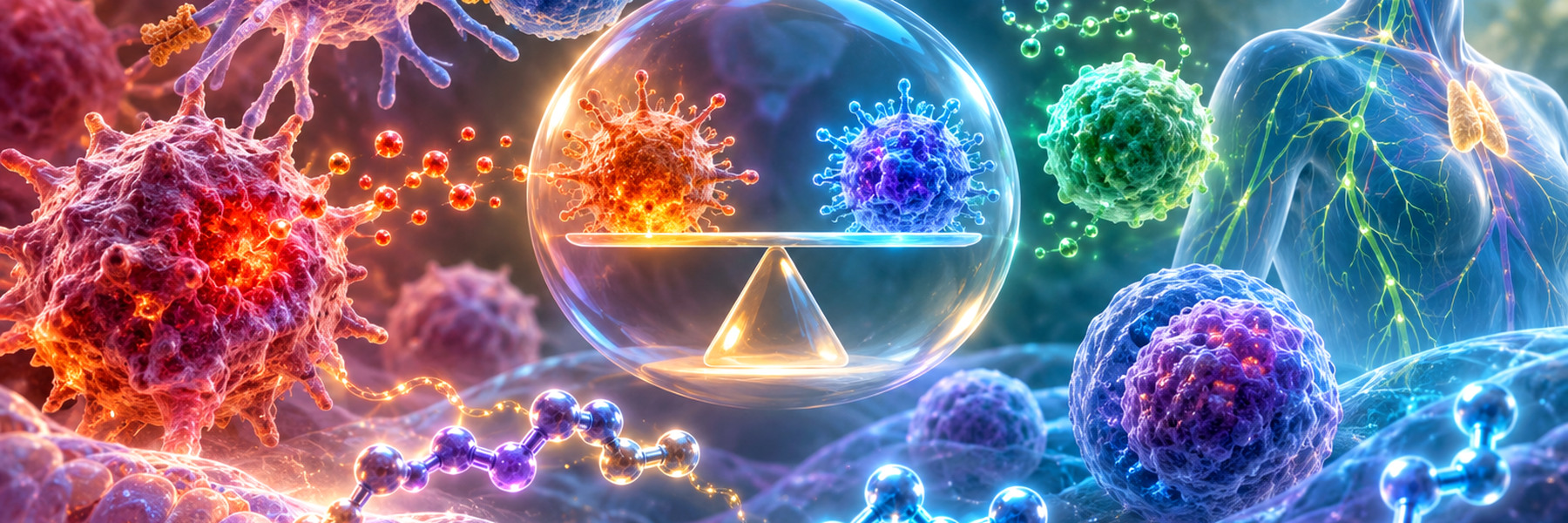
An immune system working well is neither permanently activated nor permanently suppressed. It must respond appropriately, protect healthy tissues, and recognize when the fight is over.
KPV may help researchers understand tissue-specific inflammatory signaling. VIP and thymosin alpha-1 explore different forms of immune regulation. LL-37 shows why an immune molecule can be protective in one setting and harmful in another. ARA-290 focuses on limiting tissue injury associated with inflammation. Thymogen and Vilon represent early bioregulator hypotheses, while low-dose IL-2 shows how tolerance-focused treatment is already being tested in randomized human trials.
The future is not simply less inflammation. It is better-directed immunity, with fewer autoimmune flares, less organ damage, and a stronger ability to live well.
Peptide Perspectives provides educational research coverage, not individualized medical advice. The experimental peptides discussed are not FDA-approved for treating autoimmune disease, and low-dose IL-2 remains investigational for lupus. Autoimmune and immune-mediated disorders require diagnosis and monitoring because uncontrolled inflammation can permanently damage organs. Research-only peptides may lack verified identity, purity, sterility, and long-term safety data. Do not stop prescribed immunomodulators, steroids, or biologics in favor of experimental compounds without medical guidance.